

2012 - Namibia
My journey through Namibia in 2012 brought together desert landscapes, wildlife and the Atlantic coast. The photographs follow the places visited along the way: the Namib Desert, Etosha, the Skeleton Coast, Cape Cross, Fish River Canyon and Lüderitz.
The differences between them are considerable. Dunes give way to open plains, animals gather around water, and the desert reaches a coast shaped by wind and surf. Some photographs take in a wide landscape; others concentrate on an animal or a detail within it.
This account follows those changes without separating the wildlife from its surroundings. The land, the available water and the coast are part of the story of the animals photographed here, just as their presence changes the way a landscape is seen.
Namib Desert
The Namib extends along Africa’s southwestern coast, with landscapes that include dune fields, gravel plains and exposed rock. Its familiar red dunes are only one part of a much broader desert environment, shaped by wind and influenced by its proximity to the Atlantic.
Among the dunes, light gives form to the sand. One slope catches the sun while another remains in shadow, producing a clear edge along the ridge. Further away, these shapes overlap until individual dunes become difficult to separate. Close views reveal smaller patterns across the surface.
Despite the dry conditions, the desert supports life adapted to limited water. Coastal fog is an important source of moisture in parts of the Namib, connecting the ocean to an environment that can appear far removed from it.
The photographs move from the broad shapes of the dunes to the night sky above them. A view of the Milky Way gives the desert a different scale: the land remains below, while the stars extend beyond the edges of the frame. Day and night reveal different aspects of the same open landscape.

Namib Desert

Namib Desert

Namib Desert

Namib Desert

Namib Desert

Namib Desert

Milky Way at Namib Desert
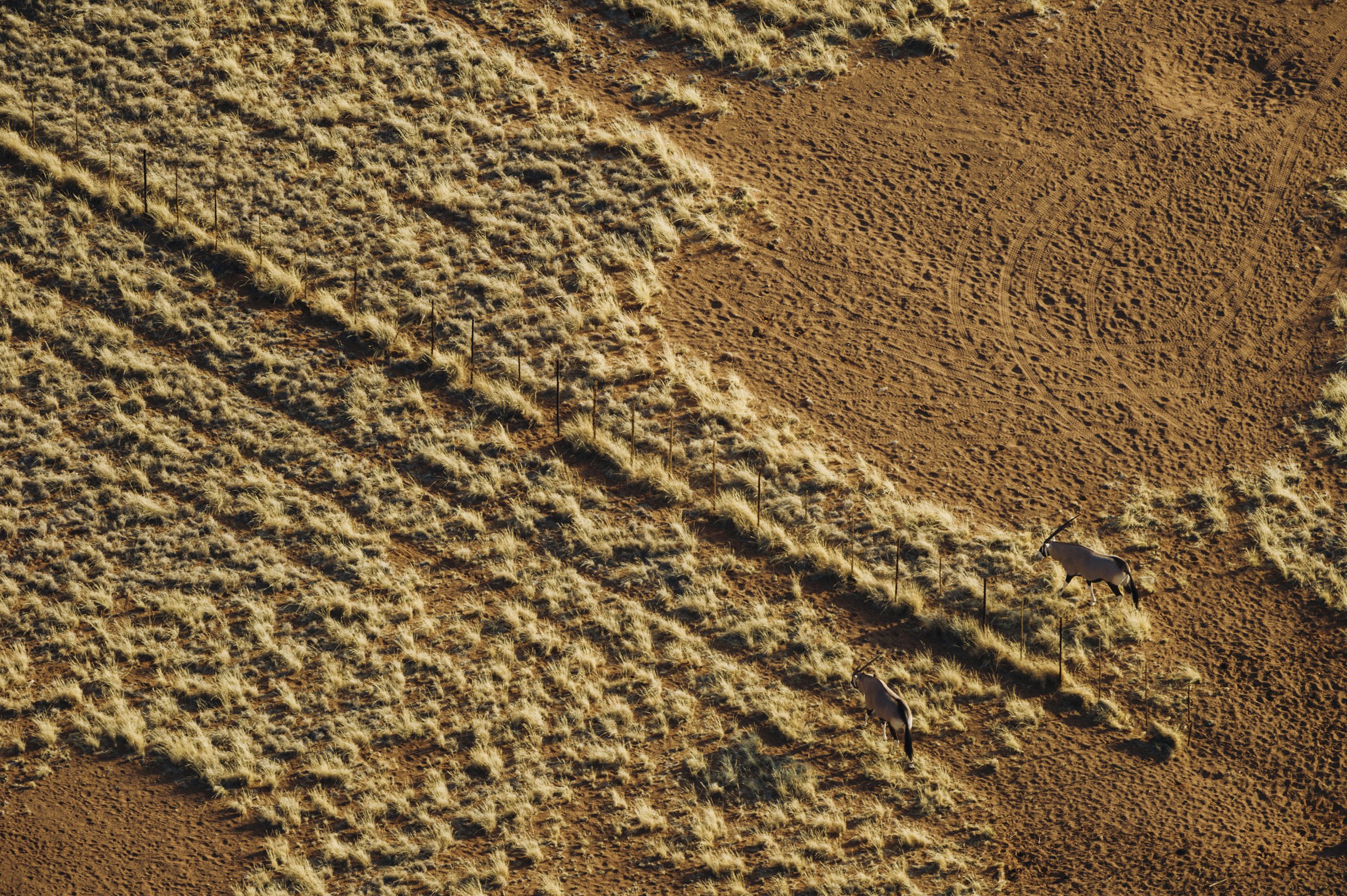
Gemsbok - Oryx gazella

Namib Desert

Namib Desert

Gemsbok - Oryx gazella

Springbok - Antidorcas marsupialis

Wild Wildebeest Gnu - Connochaetes taurinus
Etosha National Park
Etosha is organised around a vast salt pan, whose pale surface gives the park one of its most recognisable features. Around it, grassland, scrub and woodland support a wide range of animals, with waterholes providing important meeting points.
Water influences where animals gather and how they move through the park. At a waterhole, the scene can change as different species arrive, drink and leave. The surrounding open ground makes it possible to see both individual animals and the space between them.
This series includes elephants, lions, zebras, antelopes and a black rhinoceros, alongside birds and smaller animals. The variety matters: a ground squirrel or a bird has its own place in the account, even among subjects that attract more immediate attention.
Some photographs concentrate on posture, plumage or the shape of an animal’s head. Others leave more of the setting visible, placing the subject within Etosha’s broad, pale landscape. Together, they give a record of the encounters from this part of the journey, with attention to both the animals and their surroundings.

Lioness - Panthera leo

African Elephant - Loxodonta africana

Lions - Panthera leo

Black rhinoceros - Diceros bicornis

Lioness - Panthera leo

Kori bustard - Ardeotis kori

Cape ground squirrel - Geosciurus inauris

African Elephant - Loxodonta africana

Secretary bird - Sagittarius serpentarius
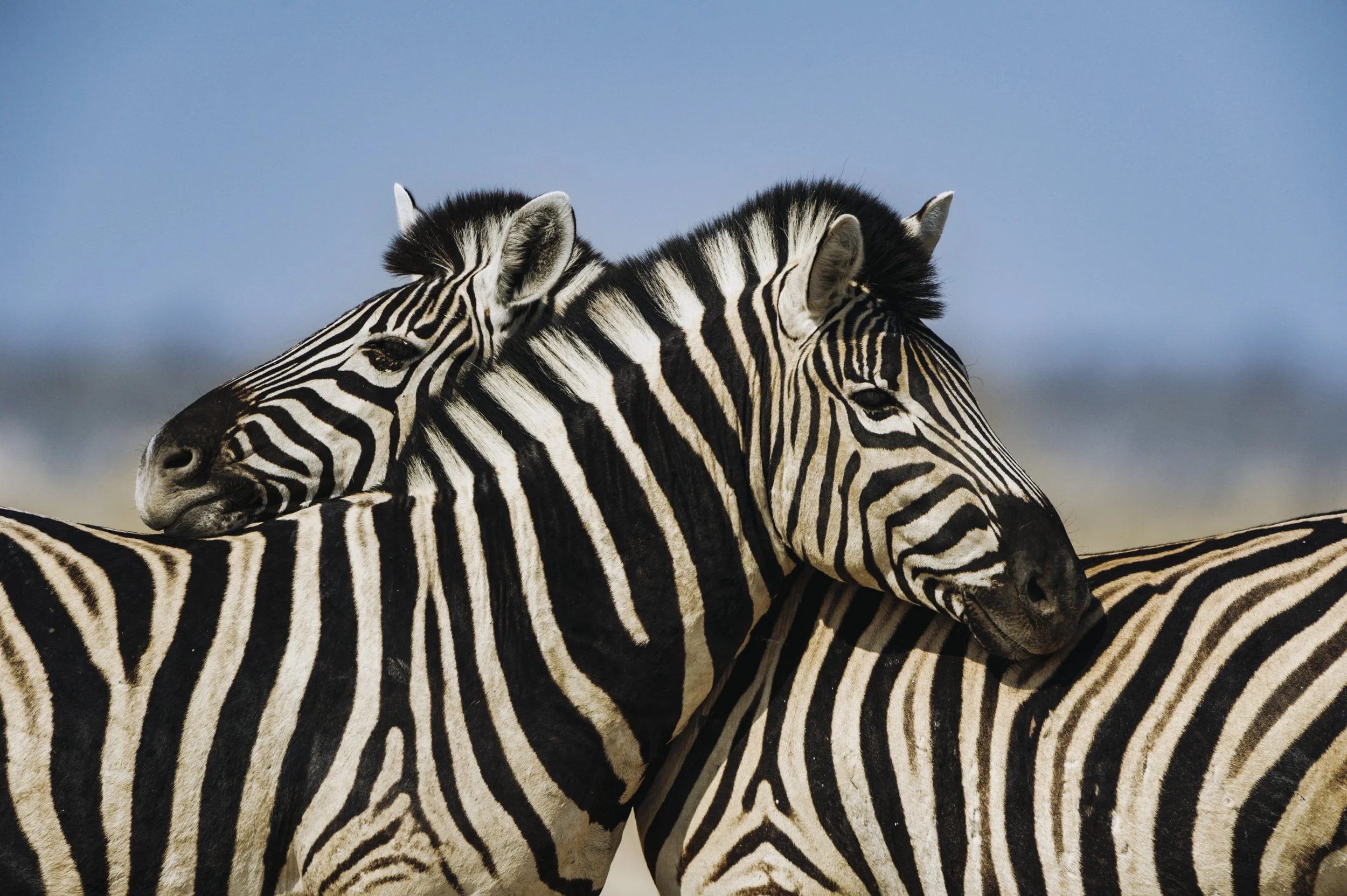
Plain zebra - Equus quagga

African grey hornbill - Lophoceros nasutus

Southern pale chanting goshawk - Melierax canorus

Southern red-billed hornbill - Tockus rufirostris

African Elephant - Loxodonta africana

Cape ground squirrel - Geosciurus inauris

Steenbok - Raphicerus campestris

Black rhinoceros - Diceros bicornis
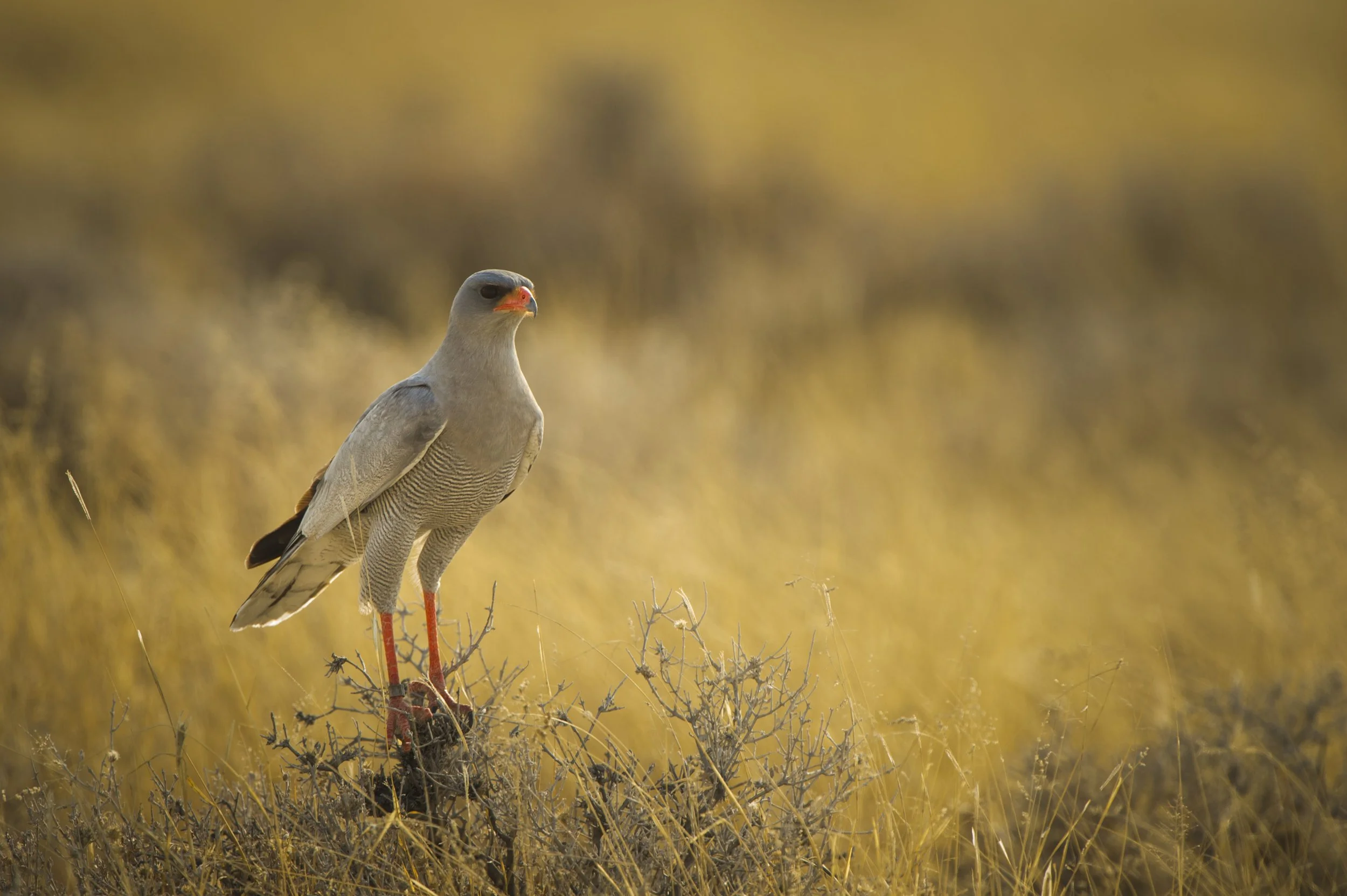
Southern pale chanting goshawk - Melierax canorus

Red-headed finch - Amadina erythrocephala

African Elephant - Loxodonta africana
Skeleton Coast National Park
Along the Skeleton Coast, the Namib meets the Atlantic. Sand, gravel and exposed rock reach towards a shoreline where surf and coastal fog can make the ocean feel very different from the desert inland.
The name carries the history of a difficult coast, associated with shipwrecks and the hazards of navigating these waters. Its appearance still gives a sense of that exposure: long stretches of shore, little shelter and an inland landscape crossed by dry river channels.
Those channels and the surrounding terrain are also part of the habitat used by desert-adapted wildlife. Animals depend on resources spread across large areas, and their presence gives another meaning to a landscape that can initially appear empty.
The photographs in this section include elephants and zebras, bringing attention to that living side of the region. Seen within the broader setting, the animals provide scale and a point of focus. Their surroundings remain essential to the picture: the open ground, sparse vegetation and distance are part of the encounter.
This stretch of the journey connects the desert with the coast, showing how closely the two environments sit beside one another.

Springbok - Antidorcas marsupialis

Mountain Zebra - Equus zebra hartmannae

Desert Elephant - Loxodonta africana
Cape Cross Seal Reserve
At Cape Cross, a large colony of Cape fur seals occupies the shore beside the Atlantic. From a distance, the animals form a dense mass across the beach and rocks. Closer views separate that gathering into individuals, each resting, moving or responding to the others nearby.
The concentration of animals changes the scale of the photographs. A broad view shows how much of the shoreline they occupy; a closer frame gives attention to a head, a posture or the texture of the fur. The water remains nearby, linking the colony on land with the sea on which it depends.
Cape Cross belongs to Namibia’s arid coastal landscape, where vegetation is sparse and the ocean is a strong presence. Against that setting, the density of the colony is particularly striking.
These photographs focus on the seals themselves and the relationships between their shapes within the frame. Even when many animals are visible together, small differences in position and expression draw attention to individuals. The colony is the wider subject, but it is made up of those separate lives sharing the same stretch of coast.

Brown fur seal - Arctocephalus pusillus

Brown fur seal - Arctocephalus pusillus

Brown fur seal - Arctocephalus pusillus

Brown fur seal - Arctocephalus pusillus

Brown fur seal - Arctocephalus pusillus

Brown fur seal - Arctocephalus pusillus

Brown fur seal - Arctocephalus pusillus
Fish River Canyon
Fish River Canyon cuts through the dry landscape of southern Namibia. From the rim, the view follows successive bends and steep walls towards the riverbed below. The canyon’s scale is difficult to grasp at once: distances become clearer only as the eye moves between the nearer rock and the ridges further away.
The exposed layers reveal different colours and textures within the stone. Some faces catch the light, while others remain in shadow, separating the folds of the terrain. What first appears as one broad opening becomes a series of slopes, gullies and ledges.
The canyon has been shaped over a long geological history by erosion and movements of the earth’s crust. That history is present in the rock, although the photographs offer a more immediate way of looking at it through shape, depth and light.
These views concentrate on the landscape from above, with the course of the river giving direction to the composition. The surrounding plateau and the drop below it belong to the same scene, and the contrast between them gives the canyon much of its visual force.

Fish River Canyon

Fish River Canyon

Fish River Canyon

Fish River Canyon

Fish River Canyon
Lüderitz
Lüderitz stands on Namibia’s southwestern coast, where the desert reaches the Atlantic. The town’s buildings and harbour sit within an exposed setting of rock, sand and sea. After the open landscapes elsewhere in the journey, streets and façades bring the view back to a more human scale.
The architecture includes buildings from the German colonial period, a visible part of the town’s history. Their forms belong to that past, while the harbour and the surrounding streets remain part of a working coastal town.
Beyond the buildings, the coastline becomes the main subject again. The gallery includes the lighthouse at Diaz Point and birds around the shore, linking the town with the wider environment beside it. Flamingos and a Cape wagtail bring smaller details into a section otherwise defined by broad coastal views.
Here, as elsewhere in Namibia, wildlife and landscape share the frame. The town provides one point of reference, but the sea, the rock and the birds extend the account beyond its streets. Lüderitz closes this gallery with another meeting of inhabited space and the natural surroundings that shape it.

Diaz Point Lighthouse

Great Flamingo - Phoenicopterus roseus

Cape wagtail - Motacilla capensis